
-

 Vendor:Clearest
Cleartest D-Dimer
Low stockRegular price From $11.52 USDSale price From $11.52 USD Regular priceUnit price per$11.52 USD -
 Vendor:Clearest
Cleartest light D-Dimer
Regular price From $34.93 USDSale price From $34.93 USD Regular priceUnit price per$34.93 USD -

 Vendor:Clearest
Cleartest PPE
Low stockRegular price From $19.02 USDSale price From $19.02 USD Regular priceUnit price per$19.02 USD -

 Up to 9% offVendor:Clearest
Cleartest Menopause, Pack: 6 tests | Pack (6 tests)
Low stockRegular price $15.57 USDSale price $15.57 USD Regular priceUnit price per$17.12 USD -

 Vendor:Clearest
Cleartest Humanofecal HB/Hp Special
Regular price From $56.58 USDSale price From $56.58 USD Regular priceUnit price per$56.58 USD -

 Vendor:Clearest
Cleartest Calprotectin
Regular price From $67.24 USDSale price From $67.24 USD Regular priceUnit price per$67.24 USD -
 Vendor:Clearest
CLEARTEST D-Dimer - 10 pieces
Regular price $83.45 USDSale price $83.45 USD Regular priceUnit price per$83.45 USD -
Vendor:Clearest
Cleartest D-Dimer
Regular price From $14.20 USDSale price From $14.20 USD Regular priceUnit price per$14.20 USD


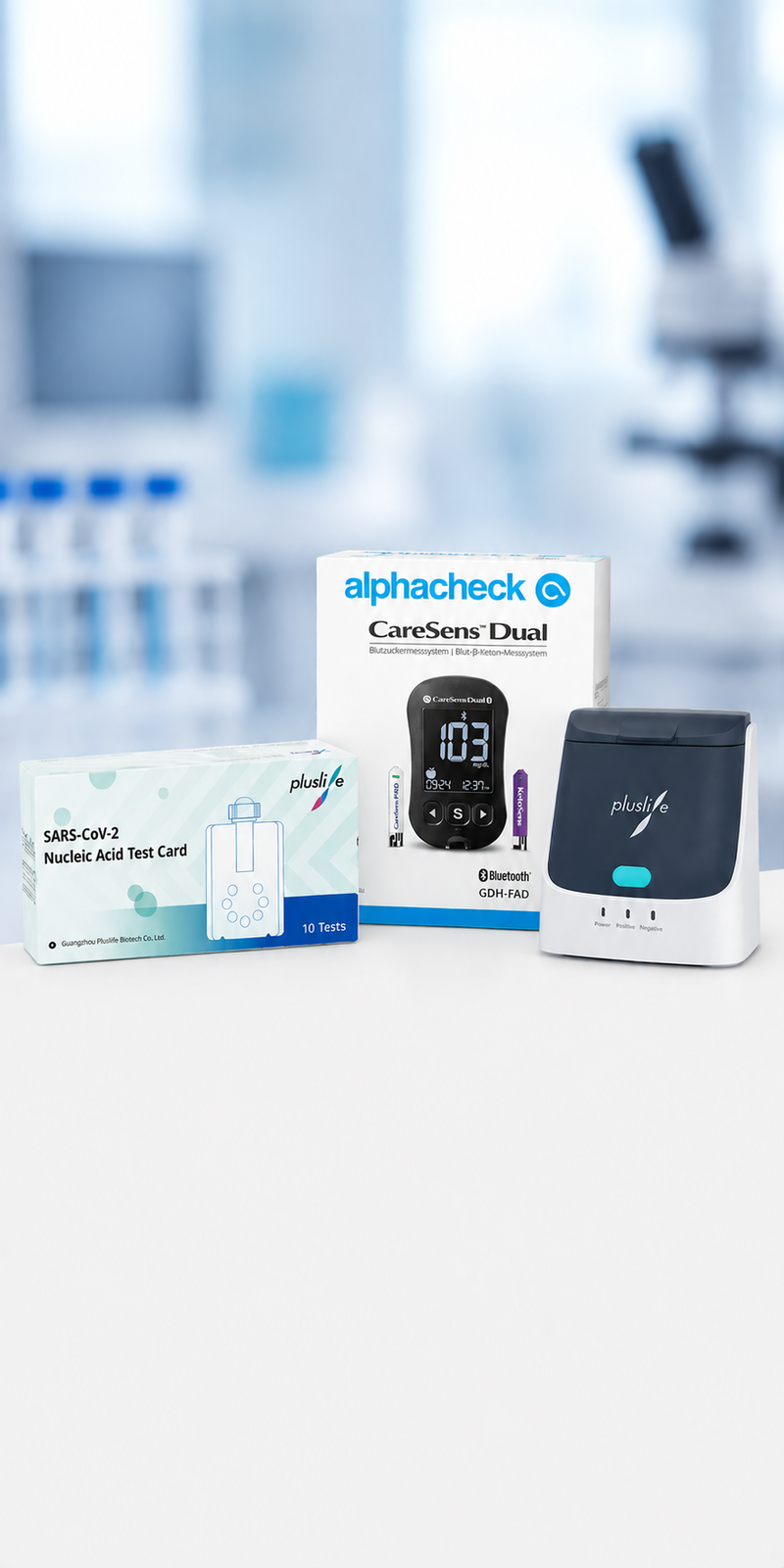


Preventive Screening Tests in Professional Settings
Preventive screening tests play a key role in the early detection of health risks and support structured prevention. They make it possible to identify changes in the body in a timely manner and take appropriate action before symptoms manifest. As such, they form a central foundation for sustainable health monitoring.
Typical applications for preventive tests include medical practices, clinics, long-term care facilities, and workplace health programs. They are also used during regular checkups or as part of individualized preventive measures. When combined with modern rapid tests, relevant parameters can be measured and evaluated within a short period of time.
In everyday practice, preventive tests help to detect health trends early on and document them in a traceable manner. They support structured workflows and provide a reliable basis for further diagnostic steps. Thanks to their ease of use and flexibility, they are an integral part of modern preventive care strategies.
Features and Benefits of Modern Preventive Testing Solutions
A modern preventive test enables a targeted and reliable analysis of selected health parameters. The test systems are designed to combine ease of use with clearly interpretable results and to integrate efficiently into existing workflows.
Key features include:
- Rapid availability of results for timely assessment
- Intuitive use with clear testing steps
- Reliable analysis of relevant parameters
- Compact formats for various applications
- Hygienic single-use design for safe use
Furthermore, standardized testing procedures promote consistent quality and facilitate the comparability of results. Especially when combined with further diagnostic testing, this creates a structured foundation for informed decisions in the context of preventive healthcare. Standardized procedures help streamline processes and minimize sources of error.
Use and Proper Handling of Screening Tests
The proper use of screening tests is crucial for the validity of the results. Depending on the type of test, samples such as blood, saliva, or swabs are used. Correct handling in accordance with the respective guidelines ensures that the results can be reliably interpreted.
Before use, care should be taken to ensure a hygienic environment. Careful preparation and precise sample collection are essential to avoid compromising the quality of the results. After the test is performed, the evaluation must take place within a specified time frame, which should be strictly adhered to.
Storage also plays an important role in the functionality of the tests. Screening tests should be stored under appropriate conditions to ensure their long-term quality. Additionally, the use of Infection Tests may be useful for specifically identifying possible causes of abnormal results and better understanding the underlying relationships.
Proper disposal is required after use, especially for materials that pose a potential contamination risk. Adherence to relevant hygiene guidelines helps ensure safety in the workplace.
Related Categories for Preventive Testing Diagnostics
Preventive testing solutions can be specifically combined with other test categories to obtain a comprehensive picture of a person’s health status. A coordinated selection supports structured workflows and expands diagnostic options in everyday practice.
Suitable additions related to this category include:
- Health screenings for the general assessment of key parameters
- Deficiency tests to identify nutrient deficiencies
- Drug tests for analyzing specific substances
- Combination tests for the simultaneous analysis of multiple values
Rely on a well-thought-out combination of these areas within rapid tests & diagnostics to comprehensively map preventive and diagnostic processes. A reliable foundation is created through coordinated solutions that meaningfully complement preventive testing applications and enable a well-founded assessment.


